Charting Player Pathways to Live Table Incentives Across Regions with Help Networks and Resource Hubs
Written by Katja Wolf · Jun 1, 2026
Charting Player Pathways to Live Table Incentives Across Regions with Help Networks and Resource Hubs
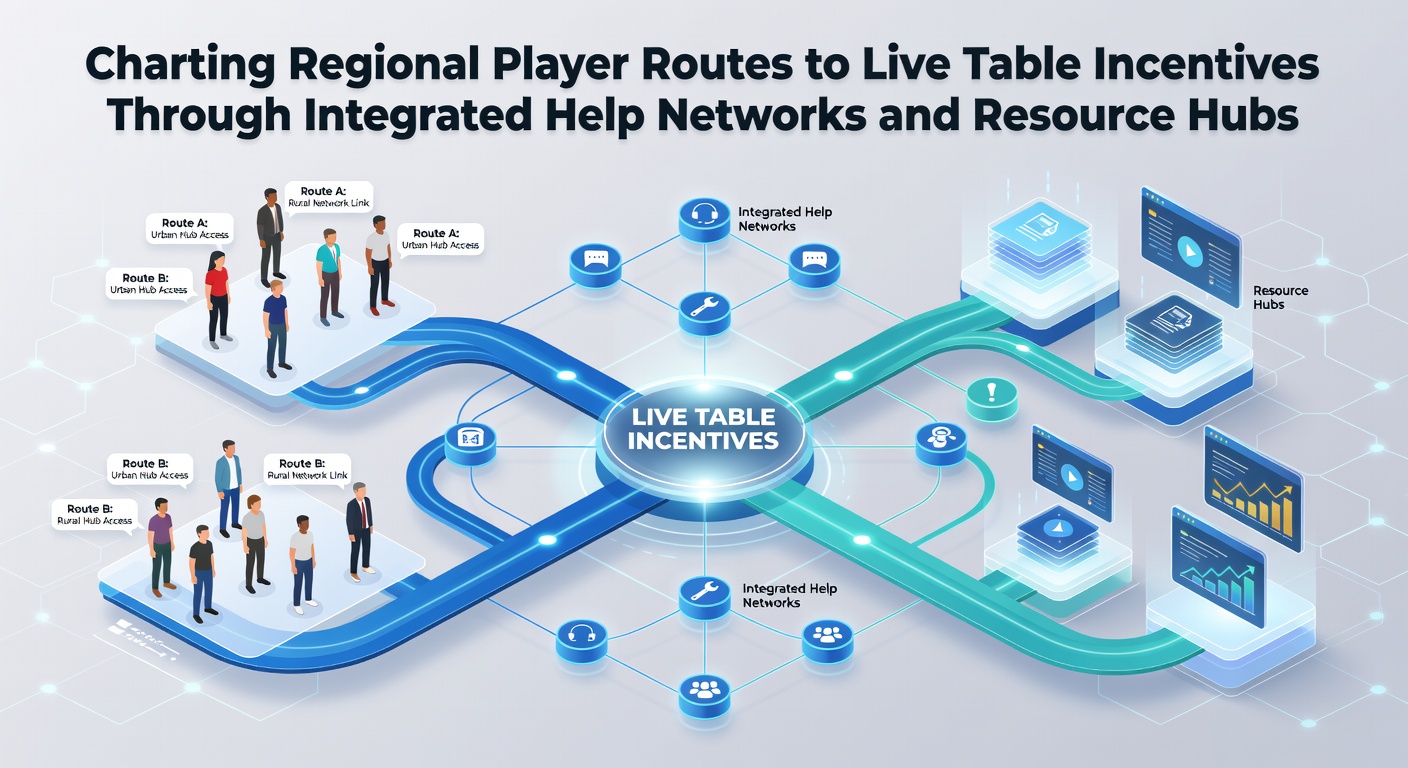
Players in various markets follow distinct routes when seeking live table incentives, and integrated help networks along with centralized resource hubs play a central role in connecting them to promotions and rewards. Data from industry reports shows that these systems emerged as key tools for organizing access to live dealer games, where participants can claim bonuses tied to table play. Observers note that regional differences shape how users interact with these networks, with some areas relying on mobile-first platforms while others depend on multilingual support centers.
Resource hubs typically aggregate information on live table promotions, including deposit matches and cashback offers specific to blackjack, roulette, and baccarat variants. In June 2026, updates to several hub interfaces incorporated real-time tracking features that allow users to monitor progress toward incentive thresholds without leaving the main dashboard. This development streamlined the process for participants who previously navigated multiple separate portals to locate available rewards.
Regional Variations in Network Structures
European markets demonstrate one pattern where centralized hubs link directly to regulatory databases, enabling players to verify eligibility for live table incentives through automated checks. North American regions, by contrast, often feature state-specific networks that integrate with local licensing requirements, directing users to approved live dealer rooms via regional resource centers. Asian operators have developed hybrid models that combine community forums with official help desks, creating layered support that guides participants step by step through claim procedures.
These structural differences affect how quickly players reach their intended incentives. Studies indicate that regions with unified help networks report higher completion rates for promotion redemptions compared to fragmented systems. The integration allows for seamless handoffs between chat support, email resources, and in-app guides, reducing the steps required to access live table bonuses.
Role of Integrated Help Networks
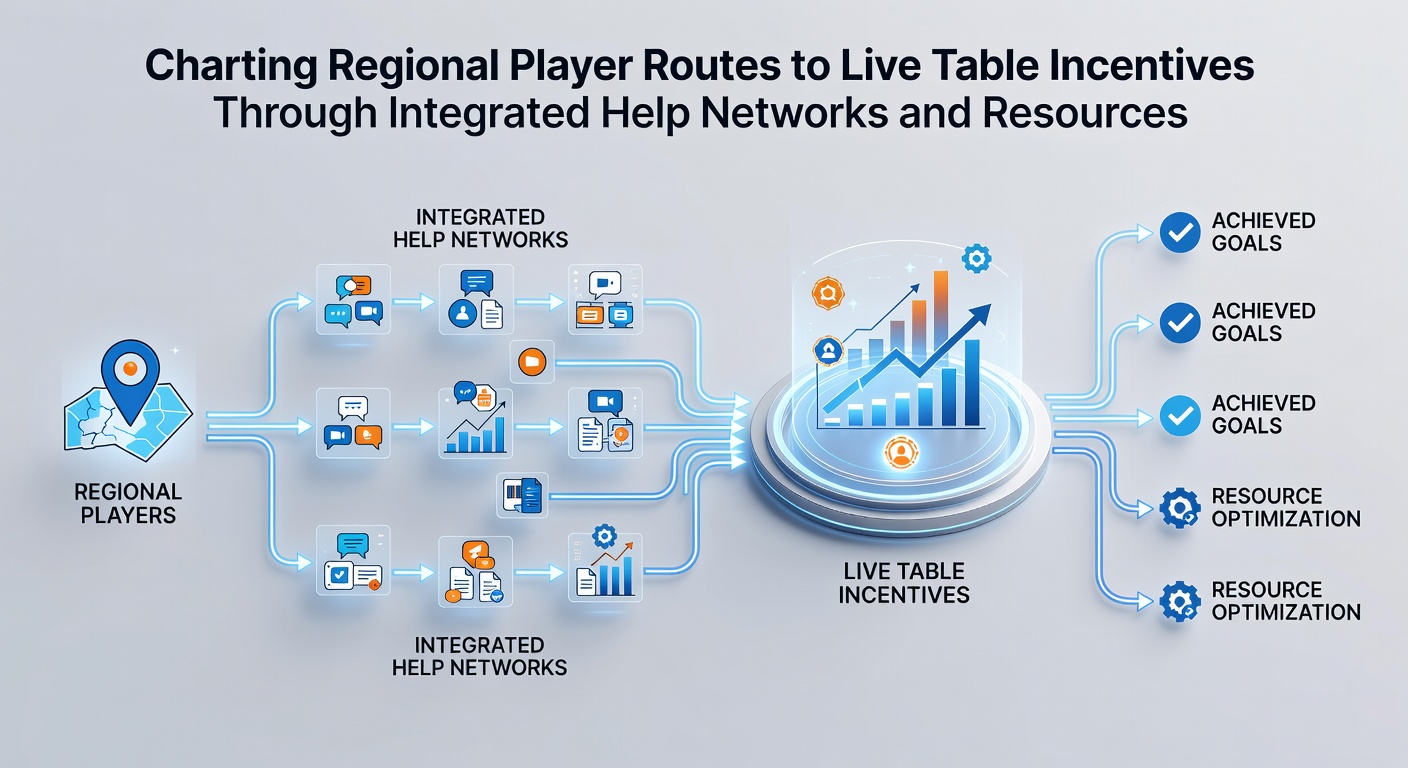
Help networks function as connective tissue between players and resource hubs, providing immediate assistance for account verification, bonus activation, and game-specific queries. Operators maintain round-the-clock staffing for these networks, with specialists trained to handle live table incentive questions across multiple languages. When users encounter eligibility issues, network agents route them to the appropriate hub section containing updated terms and regional restrictions.
One documented case involved a Southeast Asian player base that leveraged combined voice and text support channels to resolve verification delays within a single session, unlocking access to weekly live dealer cashback programs. Such examples illustrate how these networks accelerate movement along the pathway from initial registration to active participation in incentivized table games.
Resource Hubs as Central Information Points
Centralized resource hubs serve as repositories for live table incentive details, including wagering requirements, eligible game lists, and expiration timelines. These platforms often include searchable databases that filter promotions by region, payment method, and game type. Users can access video tutorials and downloadable guides that explain the mechanics of claiming rewards without additional navigation.
According to the American Gaming Association, hub-based systems have contributed to measurable increases in player retention for live dealer offerings in regulated markets. Hubs also aggregate player feedback, which operators use to refine incentive structures and address common obstacles reported through the help networks.
Future Developments in Player Routing Systems
Industry analysts expect continued expansion of API connections between help networks and resource hubs, allowing for predictive routing that anticipates user needs based on playing history. Canadian regulatory frameworks and Australian research institutions have both published findings on how such integrations support responsible access to live table promotions. These advancements point toward more efficient pathways that maintain compliance while delivering incentives directly to qualified participants.
Conclusion
Regional player routes to live table incentives continue to evolve through the coordinated efforts of help networks and resource hubs. The combination creates structured pathways that accommodate diverse market conditions while maintaining consistent access to rewards. Data shows sustained growth in live dealer participation where these systems operate effectively, reflecting the practical value of integrated support frameworks across different jurisdictions.