Crafting Player Pathways in Digital Casino Platforms: The Synergy of Tutorials and Continuous Support Services
Written by Katja Neumann · Jul 25, 2026
Crafting Player Pathways in Digital Casino Platforms: The Synergy of Tutorials and Continuous Support Services
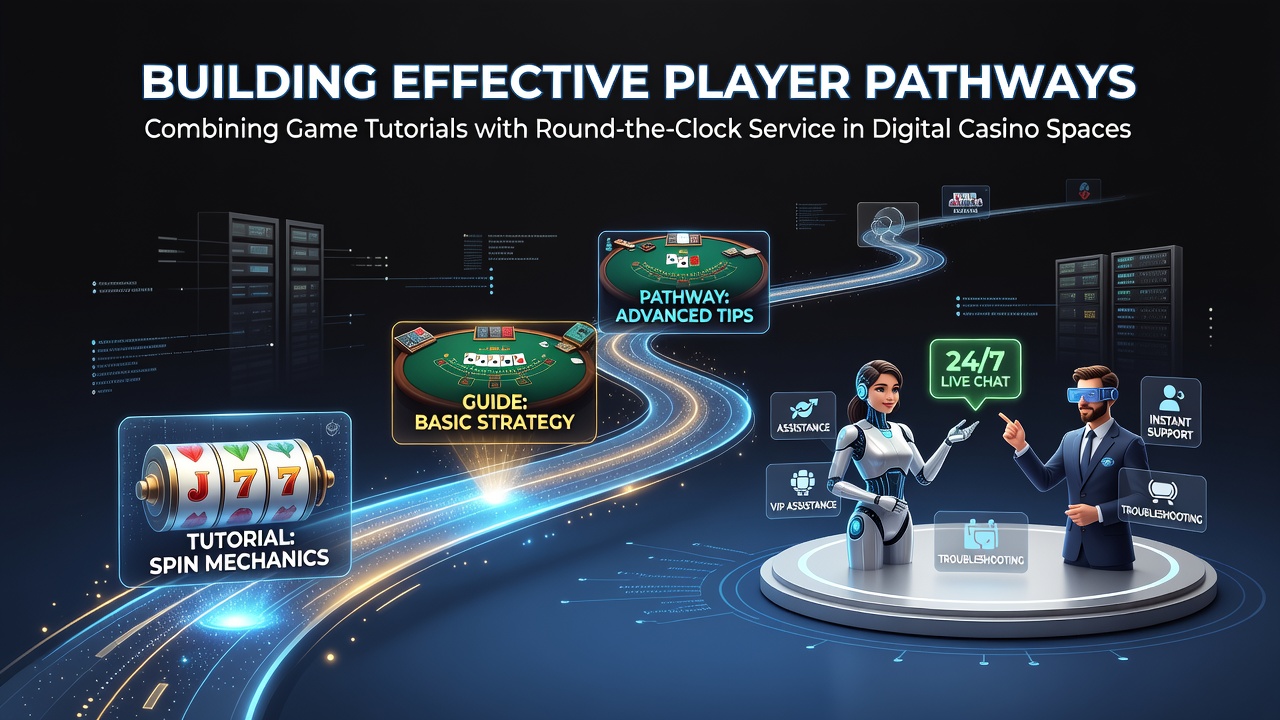
Data from multiple regulatory bodies shows that structured player pathways in digital casino environments rely on the deliberate pairing of interactive game tutorials with continuous service availability, creating routes that guide users from initial registration through advanced engagement levels. Observers note this combination reduces early-stage drop-off rates because tutorials deliver step-by-step mechanics while live assistance addresses real-time obstacles, and industry figures reveal platforms adopting both elements report higher retention across the first thirty days of user activity.
Defining Effective Player Pathways
Effective pathways consist of sequenced touchpoints that align tutorial content with support interventions at moments when players encounter new game rules or account features. Research from academic institutions indicates these pathways function best when tutorials adapt based on prior user choices, allowing conditional branching that matches individual learning speeds, while round-the-clock service ensures no interruption occurs during peak or off-peak hours. Those who have analyzed platform metrics observe that such alignment produces measurable increases in completed first deposits and session durations, particularly in jurisdictions where operators must meet responsible gaming benchmarks set by bodies like the Alcohol and Gaming Commission of Ontario.
The Function of Integrated Game Tutorials
Tutorials within modern casino platforms extend beyond static rule explanations to include progressive simulations that let users practice mechanics without financial risk. Evidence gathered across multiple markets demonstrates that interactive modules covering slot volatility, table game odds, and bonus trigger conditions improve comprehension faster than text-only formats, and operators track completion rates as a leading indicator of subsequent play volume. When tutorials incorporate decision trees that mirror actual game flow, players reach proficiency thresholds more quickly, which in turn lowers the volume of support tickets related to basic functionality.
Role of Round-the-Clock Service Delivery
Continuous service encompasses live chat, video assistance, and callback options staffed across all time zones, ensuring that questions arising from tutorial content receive immediate clarification. Figures released by the New Jersey Division of Gaming Enforcement illustrate that platforms maintaining 24/7 coverage experience shorter average resolution times for account and game-related queries, and this responsiveness correlates with extended lifetime value among users who interact with support during their first week. Service teams trained to reference specific tutorial modules can redirect users back into the learning sequence rather than simply answering isolated questions, thereby reinforcing the overall pathway structure.
Combining Tutorials with Continuous Assistance
Platforms achieve stronger outcomes when tutorial completion triggers proactive outreach from support agents, creating a feedback loop that identifies knowledge gaps before they lead to frustration. One documented approach involves embedding contextual help buttons inside each tutorial segment that connect directly to an on-duty specialist familiar with that exact module, and data collected in 2025 showed measurable reductions in early exits among users who utilized this feature. As of July 2026, several operators have expanded the model to include multilingual agents and AI-assisted routing that escalates complex issues while preserving session continuity for the player.
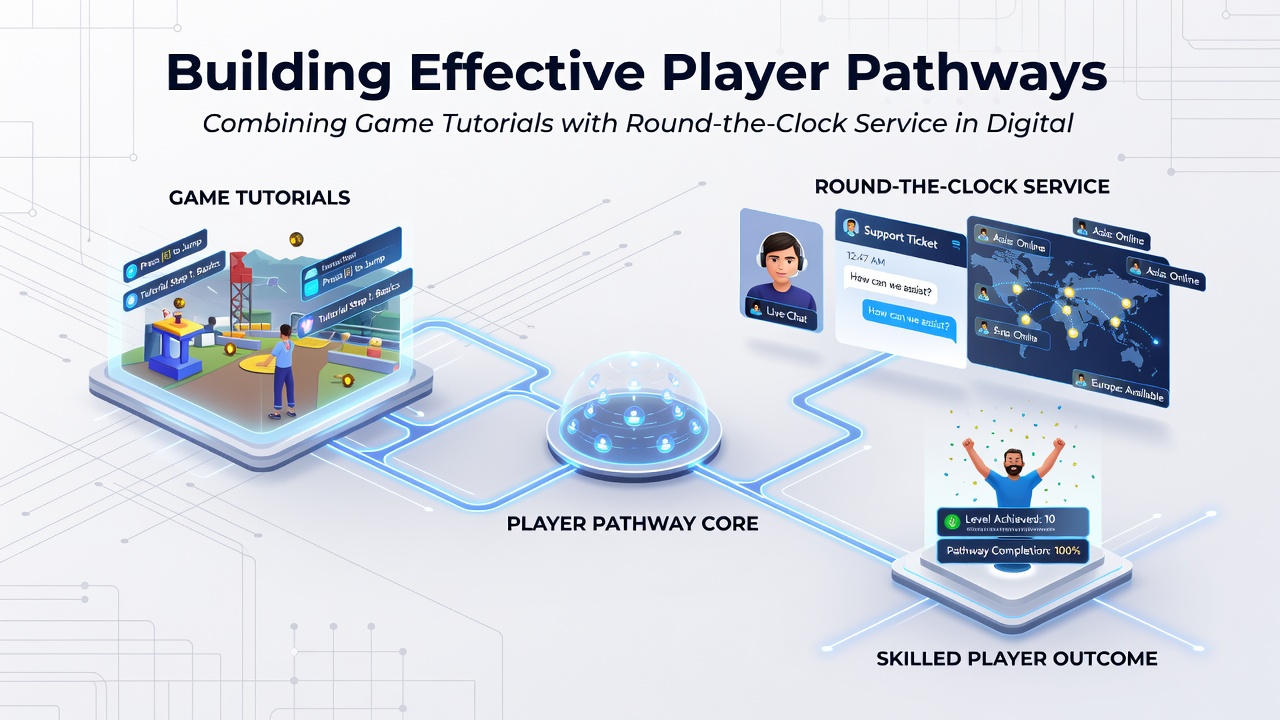
What's interesting is how these combined systems also support regulatory compliance, since detailed logs of tutorial progress and support interactions provide auditable records of player education efforts. The Nevada Gaming Control Board has referenced similar practices when evaluating license renewals, noting that documented educational pathways contribute to broader responsible gaming objectives without restricting access.
Current Platform Implementations and Trends
Industry reports compiled through mid-2026 highlight that leading operators now embed tutorial checkpoints at every major game category transition, pairing each checkpoint with dedicated service queues. Players who complete these checkpoints and then engage with live support show elevated rates of exploring additional game types, according to aggregated performance data shared at recent trade conferences. External research institutions continue to examine how varying the timing of support offers within tutorials affects completion rates, with preliminary findings suggesting that immediate offers after a failed simulation step yield stronger retention than delayed contacts.
Yet regional differences persist, because regulatory requirements in some markets mandate specific tutorial content on responsible play while others focus more on technical game explanations. Operators navigating multiple jurisdictions therefore maintain modular tutorial libraries that can be recombined to satisfy local rules while preserving the overarching pathway logic.
Conclusion
Integration of adaptive tutorials with uninterrupted service creates measurable improvements in player navigation and retention across digital casino platforms. Data indicates that operators who treat these elements as interconnected components rather than separate features achieve more consistent progression metrics, and ongoing analysis through 2026 suggests further refinement will focus on predictive routing that anticipates support needs based on tutorial interaction patterns. Regulatory bodies across North America and beyond continue to monitor these developments as part of broader evaluations of player protection frameworks.