Deciphering the Interplay Between Live Interaction Features and Promotional Incentives in Southeast Asian Digital Gaming Platforms
Written by Katja Neumann · Jun 15, 2026
Deciphering the Interplay Between Live Interaction Features and Promotional Incentives in Southeast Asian Digital Gaming Platforms
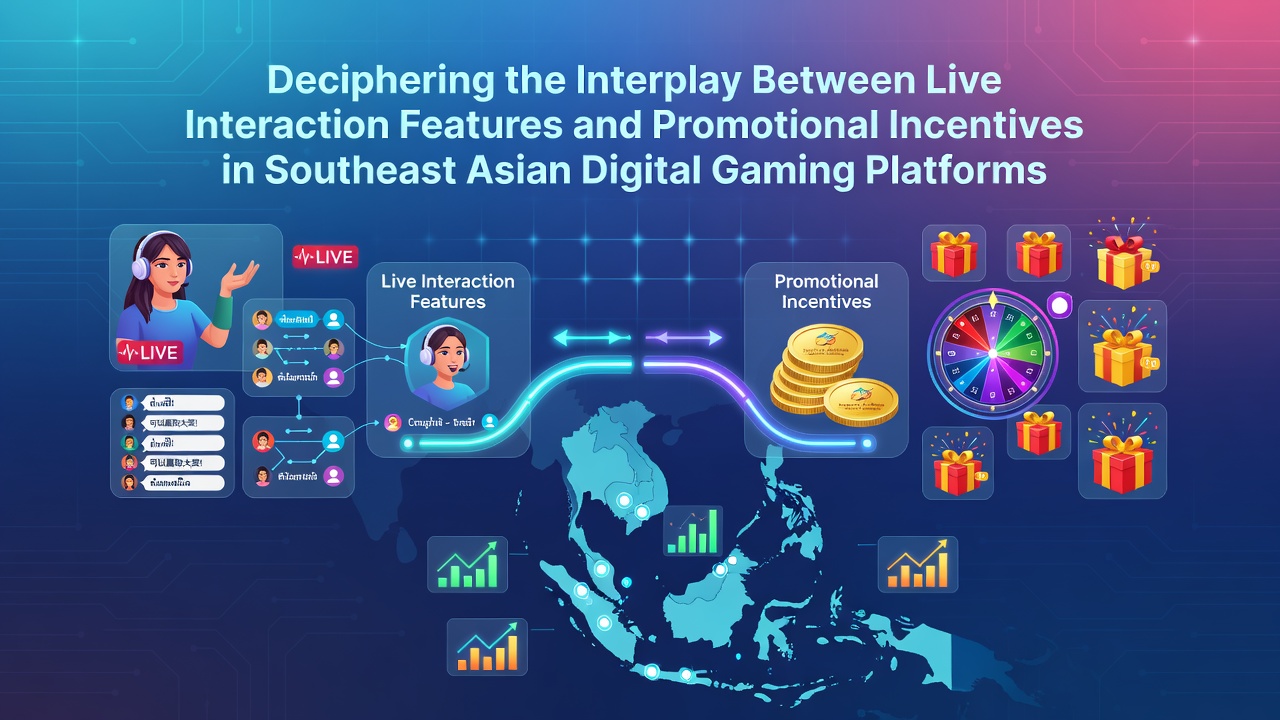
Digital gaming platforms across Southeast Asia have integrated live interaction features with promotional incentives in ways that reshape user engagement patterns, according to industry analyses from regional regulators and research bodies, and these combinations often appear in markets like the Philippines, Malaysia, and Vietnam where operators deploy real-time chat functions alongside bonus structures that reward participation during live sessions.
Core Elements of Live Interaction in Regional Platforms
Live interaction features encompass real-time video streams, chat systems, and viewer participation tools that allow users to communicate with dealers or fellow players while games unfold, and platforms in the region frequently combine these elements with mechanics that trigger rewards based on chat activity or session duration, while data from the Philippine Amusement and Gaming Corporation shows steady growth in such hybrid offerings through mid-2026.
Operators in Thailand and Indonesia have adopted similar approaches, embedding live dealer tables with integrated messaging that notifies players of time-limited incentives, creating seamless transitions between social exchanges and reward claims, and observers note these designs emerged prominently after regulatory updates in 2024 that encouraged localized content adaptations.
How Promotional Incentives Align with Live Features
Promotional incentives in these markets typically include deposit matches, cashback on losses, and loyalty points earned through live game participation, yet the interplay becomes evident when platforms tie bonus eligibility to specific live interactions such as sending messages during peak hours or completing challenges that require real-time responses, and this linkage encourages prolonged sessions without disrupting the flow of play.
Studies from academic institutions in the region, including analyses conducted at Nanyang Technological University, reveal that users respond to incentives that activate during live streams by increasing their interaction frequency, which in turn sustains platform activity levels, and figures released in June 2026 highlighted a 12 percent rise in average session times on platforms that synchronized these elements effectively.
Regional Regulatory Context and Market Data
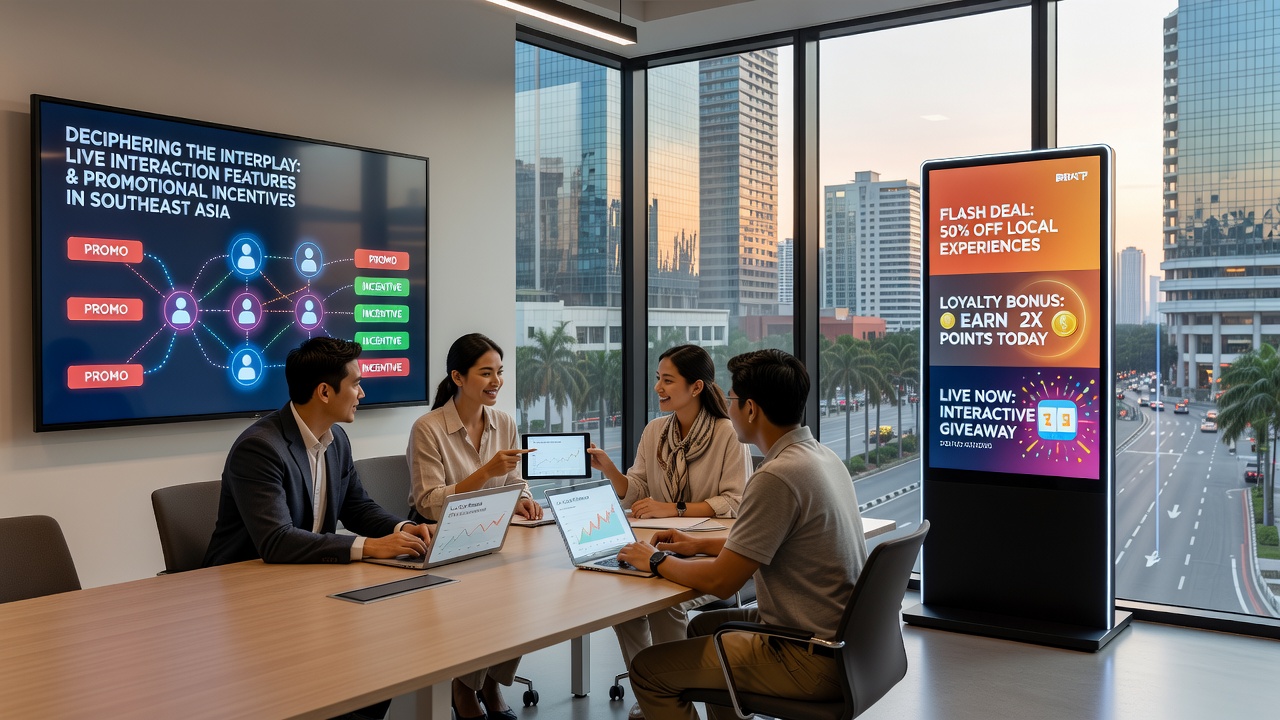
Regulatory frameworks in Singapore and Malaysia emphasize responsible integration of these features, requiring operators to disclose how live interactions influence reward distributions, and the Gambling Regulatory Authority of Singapore has published guidelines that address transparency in promotional mechanics tied to real-time activities, ensuring users understand eligibility criteria before engaging.
Market reports from June 2026 indicate that platforms incorporating chat-based challenges alongside bonus multipliers saw higher retention across Vietnam and Cambodia, where cross-border user bases respond to culturally tailored incentives like festival-themed rewards that coincide with live events, while avoiding conflicts with local content rules.
Technical Integration Patterns Observed
Backend systems on many Southeast Asian platforms use APIs to link live chat logs with reward engines, automatically crediting incentives when users meet interaction thresholds during broadcasts, and this automation reduces manual oversight while maintaining compliance with audit requirements from bodies like the Malaysian Communications and Multimedia Commission.
Developers often test these integrations through phased rollouts, starting with popular live table games before expanding to slots with interactive overlays, and evidence from industry consortiums shows that such testing minimizes disruptions while maximizing the synergy between social elements and incentive triggers.
Conclusion
The interplay between live interaction features and promotional incentives continues to evolve in Southeast Asian digital gaming platforms as operators refine connections between real-time engagement and reward systems based on regulatory feedback and usage data, and ongoing developments through 2026 suggest further refinements in how these components support sustained platform activity across diverse markets.