Dedicated Assistance Channels Improve Reward Verification Processes at Multilingual Dealer Tables
Written by Katja Neumann · Aug 3, 2026
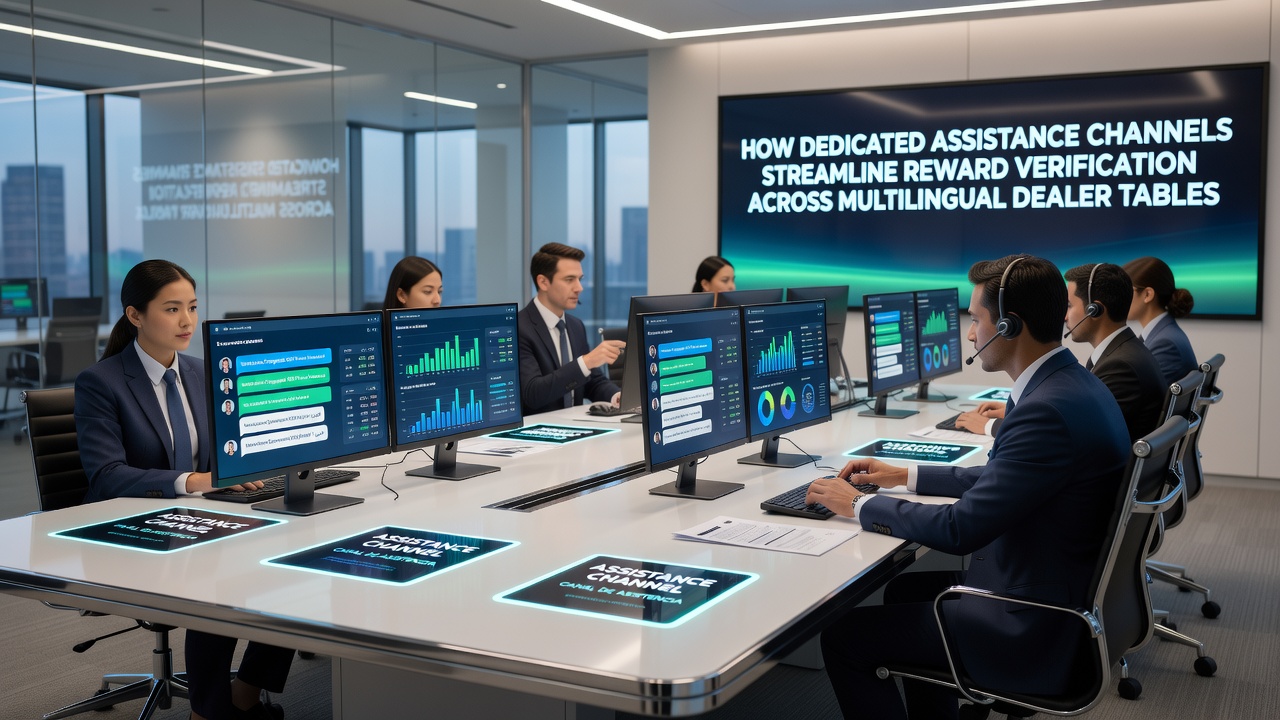
Dedicated Assistance Channels Improve Reward Verification Processes at Multilingual Dealer Tables
Live dealer operations have expanded rapidly in recent years, and multilingual tables now serve players from diverse linguistic backgrounds while reward verification requires precise coordination between dealers, systems, and support teams. Dedicated assistance channels address these demands by routing inquiries to specialists equipped with language skills and technical access to verification tools. As of August 2026, operators report that these channels reduce processing times for reward disputes and confirmations at tables featuring English, Mandarin, Thai, and other languages.
Operational Challenges at Multilingual Dealer Tables
Dealers manage bets, payouts, and player interactions in real time, yet reward verification grows complicated when language barriers arise during disputes over bonus eligibility or loyalty points. Systems track transactions across platforms, but human review often becomes necessary when automated flags appear for high-value rewards or unusual patterns. Observers note that tables staffed with dealers fluent in multiple languages still encounter delays when support staff lack matching capabilities or direct access to backend verification modules.
Research from industry reports shows that miscommunication during verification leads to extended hold times and player frustration, particularly at tables serving international audiences. Data from regulatory filings in various jurisdictions indicates that operators investing in specialized channels see measurable improvements in resolution speed without compromising compliance standards.
Structure and Function of Dedicated Assistance Channels
These channels typically consist of tiered support teams that include language specialists, compliance officers, and technical analysts who receive direct feeds from table management software. When a reward verification request arrives, the system assigns it based on language match, table location, and issue complexity, allowing specialists to review recorded gameplay segments, transaction logs, and player account histories in one consolidated interface.
According to figures from the New Jersey Division of Gaming Enforcement, streamlined internal routing has contributed to faster audit responses in regulated markets. teh channels operate around the clock, and escalation paths connect directly to regional compliance units when rewards involve cross-border player accounts or multi-currency conversions.
Integration with Existing Casino Systems
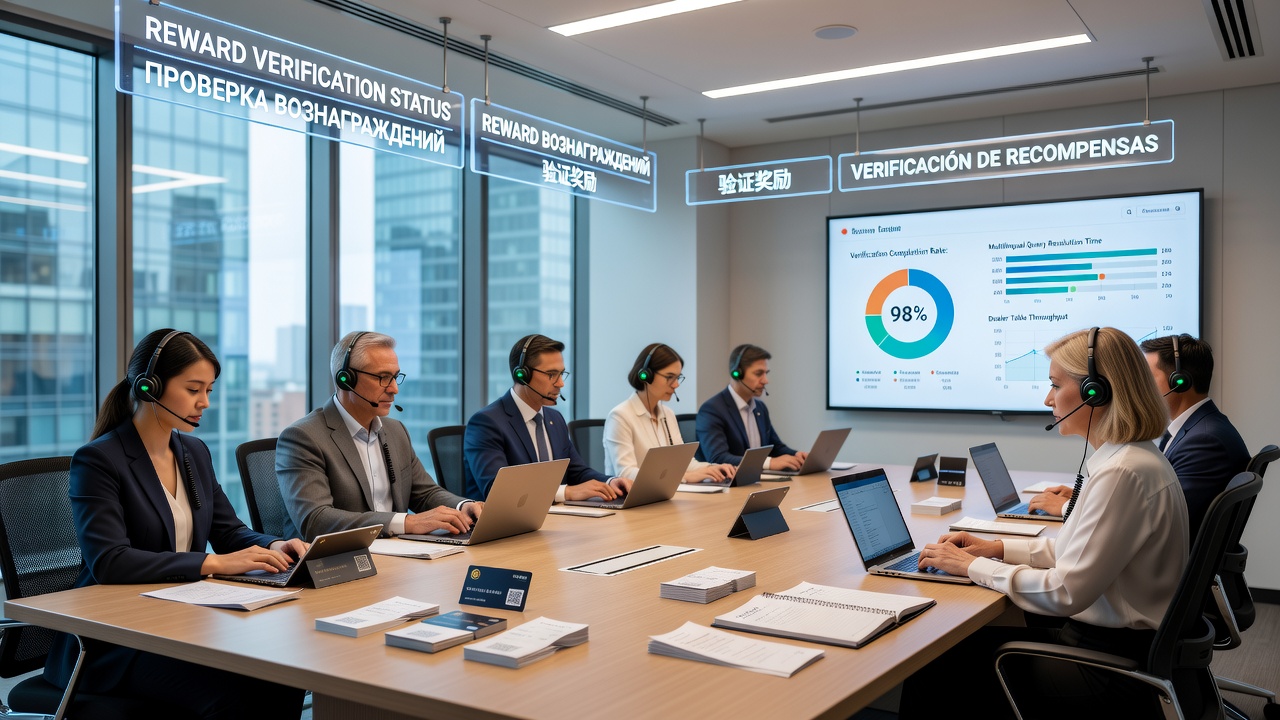
Modern dealer platforms feed data into centralized dashboards that dedicated teams monitor continuously, and this integration allows verification staff to cross-reference live table feeds with stored reward rules without interrupting gameplay. Automated alerts flag potential discrepancies, while human agents handle nuanced cases involving player communication in languages other than the primary table language.
Industry associations such as the European Gaming and Betting Association have documented how these setups support regulatory reporting requirements across multiple jurisdictions. Teams use secure messaging tools to coordinate with dealers and floor supervisors, ensuring that reward adjustments occur only after documented confirmation.
Regional Examples and Implementation Patterns
Operators in North American markets have adopted centralized multilingual hubs that serve multiple properties, whereas facilities in Asia-Pacific regions often maintain on-site language teams connected to the same verification protocols. One study from Macquarie University researchers examined how these configurations affect dispute resolution rates, finding consistent reductions in average handling time when language-matched agents handle initial reviews.
Canadian provincial regulators, including those overseeing operations in Ontario, have noted that dedicated channels align with responsible gaming mandates by providing clear documentation trails for reward decisions. Staff training programs emphasize both linguistic accuracy and familiarity with reward structures specific to live dealer formats.
Compliance and Data Security Considerations
Verification processes must satisfy data protection standards while maintaining audit readiness, and dedicated channels incorporate encryption protocols plus role-based access controls to limit exposure of sensitive player information. Reports from the Macau Gaming Inspection and Coordination Bureau highlight the importance of language-proficient staff in maintaining accurate records during multilingual transactions.
Operators conduct regular audits of channel performance, tracking metrics such as resolution time, escalation frequency, and player satisfaction scores derived from post-interaction surveys. These measurements help refine staffing models and language coverage as table offerings evolve.
Conclusion
Dedicated assistance channels have become integral to reward verification workflows at multilingual dealer tables, connecting language expertise with technical verification tools to support efficient and compliant operations. Data from multiple regulatory sources demonstrates their role in reducing processing delays while preserving documentation standards required across jurisdictions. As live dealer environments continue to diversify, these specialized support structures provide the coordination needed to maintain accuracy and player trust in reward systems.