Examining Query Pathways in Dealer-Managed Virtual Gaming Platforms
Written by Katja Neumann · Jun 20, 2026
Examining Query Pathways in Dealer-Managed Virtual Gaming Platforms
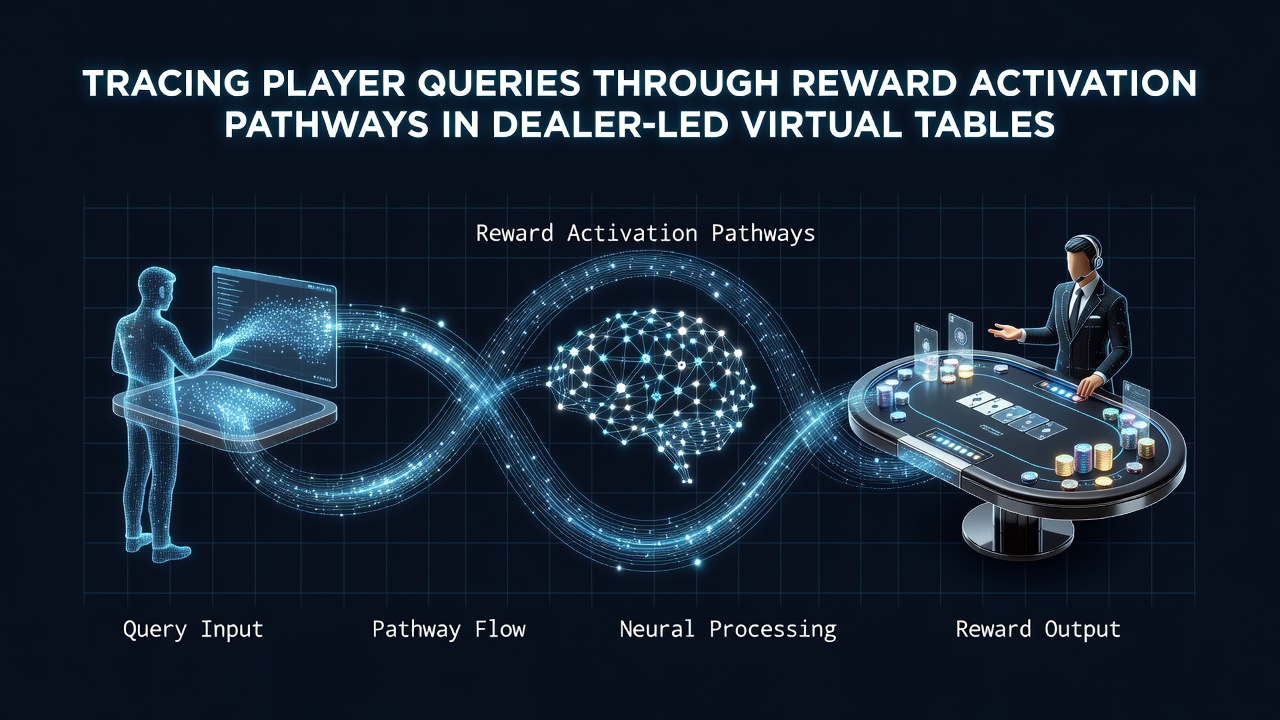
Dealer-led virtual tables operate through layered systems where player queries move along defined pathways before triggering reward mechanisms, and researchers have mapped these routes using specialized tracing protocols that capture each step from initial input to final activation. Data indicates these pathways involve multiple nodes including query parsers, reward eligibility engines, and dealer synchronization modules that coordinate live interactions with backend databases.
Core Components of Query Tracing Systems
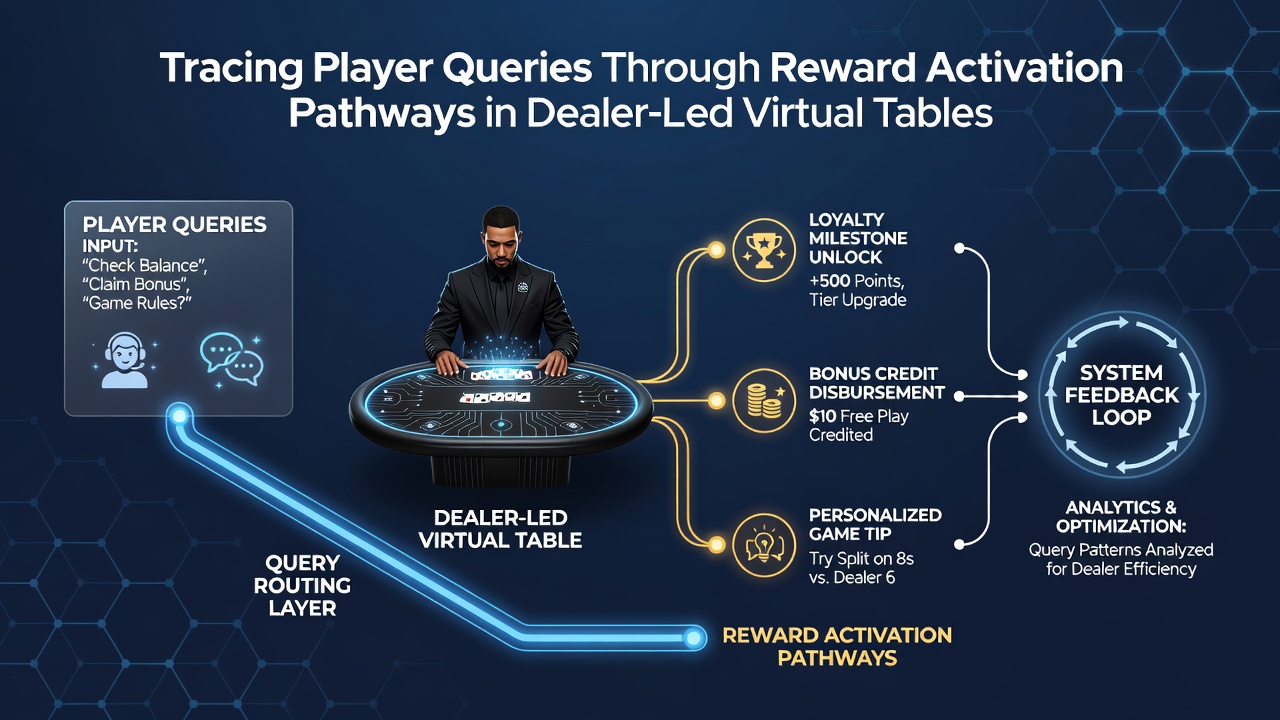
Tracing begins when a player submits a query at a virtual table interface, and the system logs the timestamp along with associated parameters such as bet amount and game state. Observers note that these initial captures feed into activation pathways where algorithms evaluate whether the query meets predefined reward criteria established by platform operators. Studies from gaming technology institutes show that dealer-led environments add complexity because live dealer actions must align with automated reward triggers to prevent mismatches in session data.
Pathway mapping relies on event-driven architectures that record every transition, and figures from industry reports reveal average query processing times of under 200 milliseconds in optimized setups. Those who've analyzed system logs find that reward activation often depends on sequential checks involving player history, current table conditions, and promotional rulesets active during the session.
Integration with Live Dealer Operations
Live dealers interact with virtual table software through dedicated control panels that broadcast state changes in real time, and query traces must incorporate these updates to maintain accuracy. Research indicates that when a dealer resolves a hand or announces results, the pathway activates secondary verification steps to confirm reward eligibility before distribution occurs. According to data compiled by the Nevada Gaming Control Board, synchronized tracing reduces discrepancies in reward claims by up to 18 percent across monitored facilities.
Virtual table environments further require cross-referencing player queries against dealer-initiated events, such as card shuffles or bonus rounds, and this creates branching pathways that demand robust logging frameworks. Experts have observed that platforms handling high volumes during peak hours, including periods around June 2026 expansions, benefit from distributed tracing tools that scale across multiple server clusters without latency spikes.
Technical Methods for Pathway Analysis
Analysis employs techniques such as distributed tracing frameworks adapted from cloud computing environments, and these allow operators to follow a single query across microservices responsible for authentication, game logic, and payout processing. Data shows that tagging each query with unique identifiers enables reconstruction of full activation sequences even when dealer inputs arrive asynchronously from remote streams.
Case examples from European gaming operators demonstrate how pathway audits identified bottlenecks where reward triggers stalled due to dealer confirmation delays, leading to adjustments in synchronization protocols. Researchers at institutions like the University of Nevada's gaming research center have published findings on similar optimizations that improve overall system throughput by integrating real-time dealer telemetry directly into trace logs.
Regulatory and Operational Considerations
Regulatory bodies across regions require detailed records of reward pathways to ensure compliance with fairness standards, and tracing systems provide the audit trails needed for periodic reviews. In Australia the Northern Territory Racing Commission has referenced similar technical implementations when evaluating platform certifications, while Canadian provincial regulators emphasize secure data handling during query transmissions.
Operators maintain these systems through continuous monitoring dashboards that flag anomalies in activation rates, and industry associations such as the European Gaming and Betting Association have documented best practices for integrating dealer-led features without disrupting established reward logic. What's notable is how these frameworks adapt to evolving game variants introduced throughout 2026.
Future Developments in Tracing Capabilities
Advancements point toward greater use of machine learning models that predict pathway failures before they impact players, and preliminary tests indicate improved detection of edge cases involving multi-table sessions. Government agencies continue to update guidelines that incorporate these technical evolutions to keep pace with dealer-led innovations.
Conclusion
Tracing player queries through reward activation pathways delivers measurable improvements in operational reliability for dealer-led virtual tables, and continued refinement of these methods supports both compliance and performance goals across global markets. Data from multiple sources confirms teh value of integrated logging that captures live elements alongside automated processes.