Regional Regulations Shape Prize Authentication Processes in Multilingual Live Dealer Networks
Written by Harper Jung · Aug 17, 2026

Regional Regulations Shape Prize Authentication Processes in Multilingual Live Dealer Networks
Live dealer networks operate across multiple jurisdictions where prize verification requires adherence to local laws and language protocols that differ sharply from one area to the next, and operators must coordinate these elements to confirm winnings accurately. Data from industry reports indicates that verification timelines extend when documents require translation into the regulatory language of the host region, while security checks run simultaneously through centralized systems.
Regulatory Frameworks Across Key Markets
Canadian provincial authorities such as those in Ontario maintain specific guidelines that mandate identity confirmation in both English and French for cross-border claims, and these rules integrate with network-wide anti-money laundering protocols. Observers note that Australian state regulators apply similar bilingual standards in prize disputes, requiring operators to submit translated affidavits within set windows after a win occurs. Research from gaming associations shows that European markets add layers of documentation when players cross into regions with distinct official languages, which can delay final payout authorization by several business days.
Those who manage live dealer platforms report that August 2026 brought updated reporting templates in select North American jurisdictions, and these changes align verification steps more closely with real-time translation tools already embedded in the networks. Network operators now route prize files through automated systems that flag linguistic inconsistencies before human review begins.
Language Integration in Verification Workflows
Multilingual support begins at the initial claim stage where players submit identification and tax forms, and platforms must convert these records into the language required by the licensing authority. Studies from trade organizations reveal that errors in translation account for a measurable portion of rejected claims each quarter, prompting networks to employ certified linguists alongside standard compliance teams. The process continues with biometric checks that remain language-neutral yet still feed into region-specific databases for final clearance.
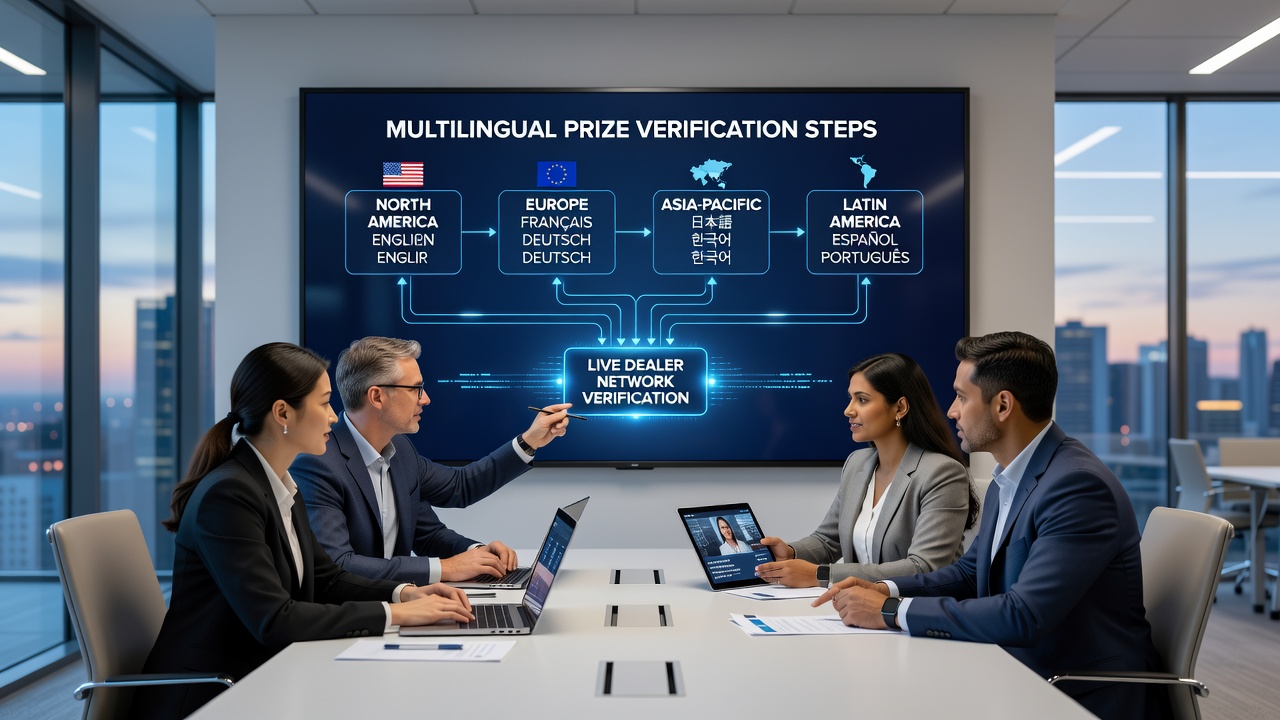
What's notable is how platforms combine machine translation with human oversight to handle edge cases, such as regional dialects or specialized legal terminology that automated tools miss. Industry figures show that networks covering Asia-Pacific markets invest heavily in these hybrid systems because prize disputes there often involve multiple national languages within a single verification cycle.
Step-by-Step Authentication Procedures
- Initial claim submission occurs through the network portal where players upload proof of identity and residency documents that the system immediately routes to the relevant regional compliance queue.
- Automated language detection identifies the primary and secondary languages needed, after which certified translators prepare versions acceptable to the licensing body within the required timeframe.
- Security teams conduct background screening that cross-references player data against global watchlists while the translated files undergo legal review in the target jurisdiction.
- Final approval triggers notification in the player's preferred language along with any tax withholding statements prepared according to the rules of the region where the live dealer session originated.
One study from an international gaming research group found that operators using integrated multilingual platforms reduced average verification times by up to 30 percent compared with those relying on manual handoffs between departments. These efficiencies become especially relevant when networks span countries with overlapping but non-identical regulatory calendars.
Common Obstacles and Network Responses
Time zone differences between regional offices frequently extend the overall process, particularly when a prize verification requires input from both European and Asian compliance centers on the same claim. Network administrators address this by maintaining 24-hour review shifts staffed with multilingual specialists who can escalate issues without restarting the entire workflow. Data indicates that disputes involving currency conversion add another layer of documentation that must align with both banking regulations and gaming authority requirements in each locale.
According to reports published by iGaming Ontario, operators have adopted shared digital ledgers that allow simultaneous access for authorized reviewers across regions, and this approach minimizes redundant submissions while preserving audit trails. Similar practices appear in Australian regulatory updates that emphasize interoperability between state systems and international live dealer providers.
Conclusion
Regional live dealer networks continue to refine prize verification methods to accommodate linguistic diversity and varying legal standards, and the changes introduced through 2026 demonstrate ongoing investment in coordinated technology. Players encounter these procedures when claiming awards that cross jurisdictional lines, and operators maintain compliance by aligning each step with the specific requirements of the licensing authority involved. Continued development of translation and tracking tools supports smoother processing as networks expand their geographic reach.