Understanding Reward Verification Procedures in Live Dealer Online Platforms for Thai Participants
Written by Katja Neumann · Jun 22, 2026
Understanding Reward Verification Procedures in Live Dealer Online Platforms for Thai Participants
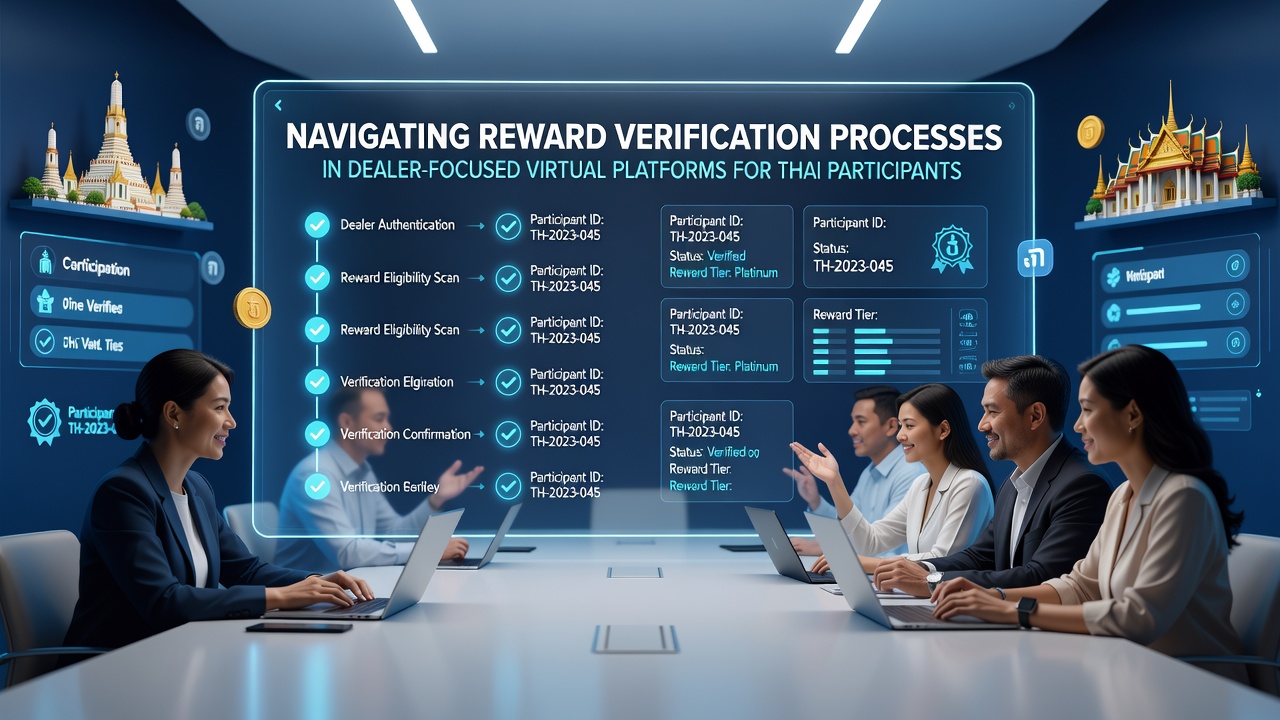
Thai participants engaging with dealer-focused virtual platforms encounter structured verification processes when claiming rewards from live dealer games, and these procedures typically involve multiple layers of identity confirmation along with documentation checks that platforms implement to comply with regional regulations. Data from industry reports indicates that verification timelines range from 24 to 72 hours in most cases, though delays occur when additional documentation is required for currency conversions involving Thai baht.
Core Elements of the Verification Workflow
Platforms require users to submit government-issued identification such as Thai national ID cards or passports, followed by proof of address documents including utility bills or bank statements dated within the last three months, while payment method verification often demands screenshots of transaction histories from local banks like Kasikorn or Bangkok Bank. Researchers at the International Center for Gaming Studies have documented that these steps reduce fraud incidents by up to 40 percent across Asian markets according to aggregated platform data.
Live dealer environments add another dimension because rewards tied to table game performance must match recorded session data, and operators cross-reference player activity logs with submitted financial details to confirm eligibility before releasing bonuses or cash prizes. Observers note that Thai users frequently face extra scrutiny on address verification due to variations in provincial documentation formats, which platforms address through specialized support teams fluent in Thai.
Documentation Requirements and Submission Methods
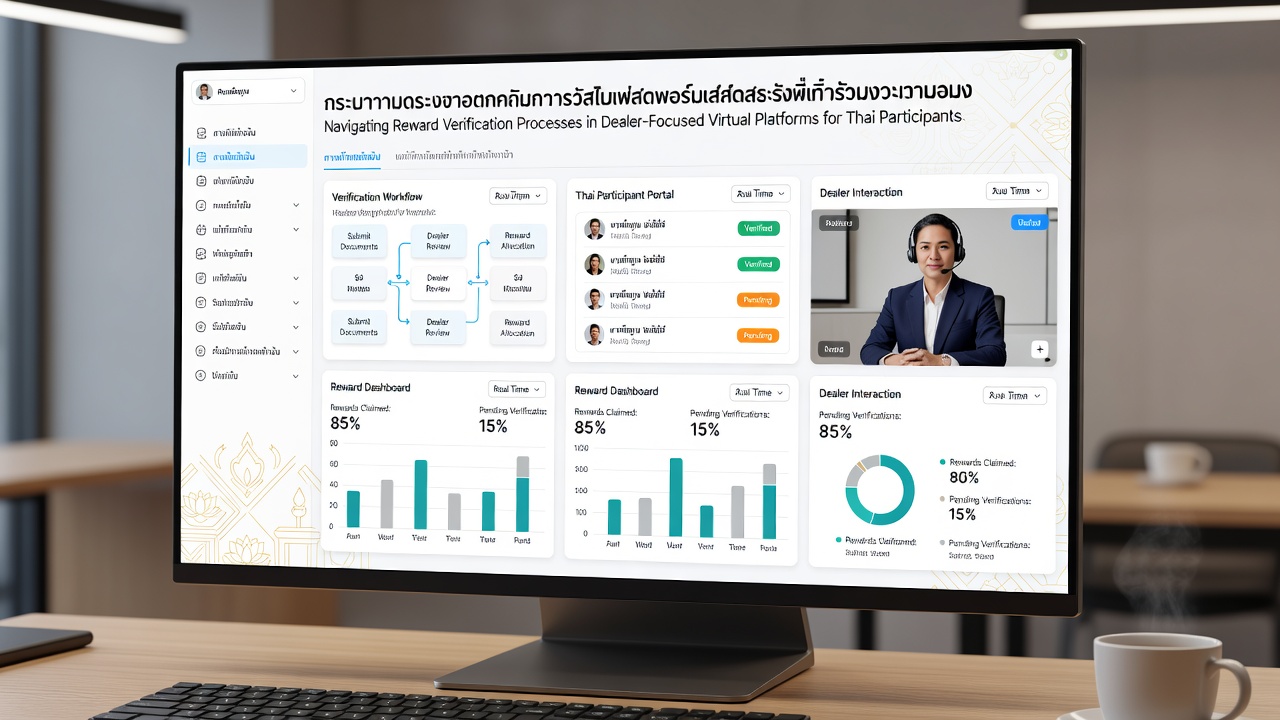
Participants upload files through secure portal interfaces that accept JPEG, PNG, and PDF formats up to 5MB per document, and many systems now incorporate OCR technology to extract information automatically from Thai-language paperwork. A recent analysis by the Asia Pacific Gaming Association showed that 78 percent of verification failures among Southeast Asian users stem from mismatched names between ID documents and payment accounts, prompting platforms to offer real-time chat assistance during upload processes.
Once submitted, automated systems flag incomplete applications for manual review by compliance officers who contact users via email or in-app messaging to request clarifications, and successful verifications trigger notifications that include estimated reward disbursement schedules aligned with Thai banking hours. Those who've completed the process often discover that linking multiple payment methods in advance accelerates future reward claims since platforms retain verified status for subsequent transactions.
Challenges Specific to Thai Participants
Currency fluctuations between Thai baht and platform base currencies create additional verification hurdles when reward amounts require conversion proofs, and users must sometimes provide bank confirmation letters detailing exchange rates applied at the time of deposit. June 2026 brought updated guidelines from several platforms that now accept digital bank statements from Thai mobile banking apps, reducing the need for physical branch visits that previously extended processing times.
Language barriers surface when automated forms default to English, yet leading dealer platforms have introduced Thai-language interfaces for verification portals, and support teams trained in regional dialects assist with complex cases involving rural address formats. Studies from academic institutions like the University of Macau's gaming research division reveal that platforms incorporating localized verification tools see a 25 percent increase in successful reward redemptions among Thai users compared to those relying solely on English systems.
Platform Adaptations and Regulatory Context
Operators have introduced tiered verification levels where basic rewards require minimal documentation while higher-value bonuses trigger enhanced checks including video calls or additional source-of-funds declarations, and Thai participants report smoother experiences when they prepare documents in advance using standardized templates provided by platform help centers. External data from the Canadian Gaming Association indicates similar multi-tier approaches have lowered dispute rates in North American markets, offering models that Asian platforms have begun adapting.
Security protocols include two-factor authentication tied to Thai mobile numbers, which adds a layer of protection during reward claim stages, and encryption standards ensure that sensitive financial data remains protected throughout the review period. What's notable is how platforms now integrate blockchain-based transaction logs for certain reward types, allowing Thai users to track verification progress in real time without repeated support contacts.
Conclusion
Thai participants benefit from understanding these layered processes because thorough preparation of required documents streamlines reward access on dealer-focused platforms, and ongoing platform improvements continue to address regional nuances in documentation and currency handling. As verification technologies evolve, users gain more efficient pathways to confirmed rewards while platforms maintain compliance standards across diverse markets.